Understanding the ingredient combination
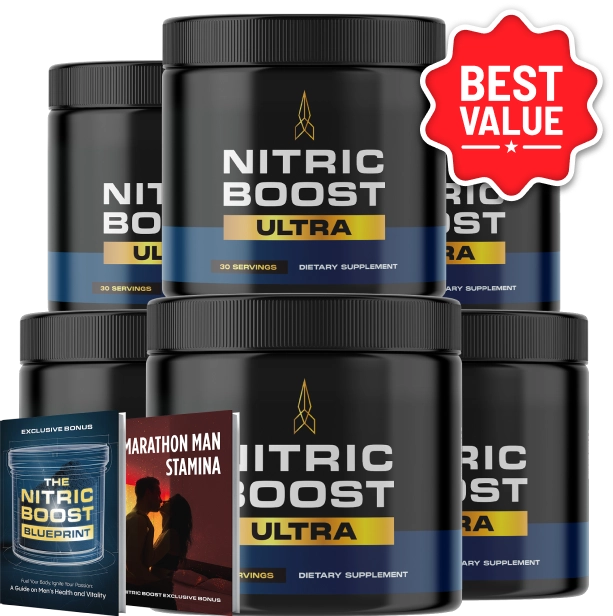
Nitric Boost Ultra combines eight featured ingredients in a powder designed for men's vitality and blood-flow support. The lineup includes beet root powder, L-arginine, L-citrulline DL-malate, niacin, horny goat weed, ginkgo biloba powder, dong quai and D-aspartic acid. These names describe different ingredient families, not eight interchangeable ways to deliver the same substance.
An ingredient page is most useful when it helps you compare the product accurately. Botanical powders, amino acids and vitamins have different identities and roles. The complete label adds serving amounts, ingredient forms and other components, allowing you to move beyond familiar names and understand what is actually included in the jar.
The product's one-scoop directions are a preparation instruction, not a disclosure of each ingredient's dose. If you need exact amounts for a medication review, an allergy question or a comparison with another formula, request the current label before purchase. Do not calculate individual ingredient amounts from the weight of the jar or from the size of a decorative image.
Beet Root Powder
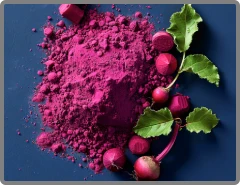
Beet root powder supplies the blend's recognizable vegetable ingredient. Beets naturally contain nitrates, connecting this component with the formula's nitric oxide focus. It sits alongside the amino acids in the same scoop, bringing a food-derived botanical component to a powder designed around circulation and male vitality.
L-Arginine
L-arginine is an amino acid the body uses in nitric oxide production. That role makes it a central ingredient in the formula's circulation focus. It appears alongside L-citrulline DL-malate and beet root, combining an amino-acid component with the blend's other featured nutritional ingredients in one prepared serving.
L-Citrulline DL-Malate
L-citrulline DL-malate combines citrulline with malate. Citrulline is connected with the body's arginine supply, which explains its place alongside L-arginine in a nitric oxide-focused blend. The full ingredient name helps distinguish this component when you compare the powder with other amino-acid products and their labels.
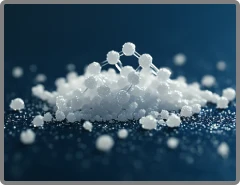
Niacin (Vitamin B3)
Niacin is vitamin B3, a nutrient involved in normal energy metabolism. It adds a vitamin component to the blend's botanicals and amino acids, linking the formula with its broader vitality theme. This familiar nutrient is included within the same scoop, keeping the product's preparation straightforward.

Horny Goat Weed
Horny goat weed is a botanical also known as Epimedium, associated with traditional men's wellness formulas. It contains plant compounds such as icariin and contributes to the blend's sexual-wellness focus. Here it joins beet root, ginkgo and dong quai as one of the four featured botanical ingredients.
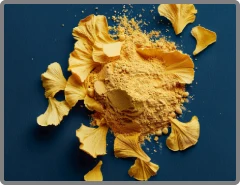
Ginkgo Biloba Powder
Ginkgo biloba powder adds a distinct botanical component to the formula. Ginkgo is known for its characteristic fan-shaped leaves and its long history in herbal supplements. Within this blend, it complements the other plant ingredients alongside the amino acids and vitamin B3 in a single powder serving.
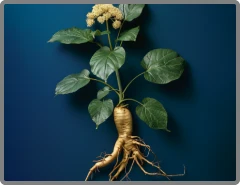
Dong Quai
Dong quai contributes another traditional herbal component to the men's wellness blend. It is included alongside beet root, horny goat weed and ginkgo, broadening the botanical lineup within the formula. The ingredient's own name makes it easy to identify when you compare the complete product label with other supplements.
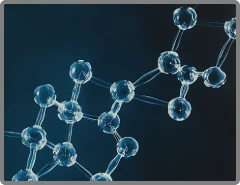
D-Aspartic Acid
D-aspartic acid is an amino acid included in the product's male-vitality blend. It has a different identity from L-arginine and L-citrulline and completes the trio of featured amino-acid ingredients. Together with the botanicals and niacin, it forms part of the product's combined one-scoop preparation.
Beet root powder and the circulation focus
Beet root powder gives the blend a recognizable food-derived component. Beets naturally contain nitrate, which is one reason beet products appear in discussions of nitric oxide nutrition. The ingredient connects the product to its blood-flow theme without requiring a complicated preparation method: it is already part of the combined scoop.
The distinction between a beet powder, a beet extract and a glass of beet juice matters. They can differ in composition and concentration, so a study or serving instruction for one does not automatically describe another. The named ingredient here is beet root powder. Keep that wording when comparing it with products that use concentrated extracts or specify nitrate amounts.
Its inclusion also does not turn the supplement into a replacement for vegetables or a balanced diet. The powder is a concentrated product used in a small serving, whereas meals supply many different nutrients and food components. Treat the ingredient as one element within this blend and evaluate the finished product as a whole.
L-arginine and L-citrulline DL-malate
L-arginine is an amino acid involved in nitric oxide production. L-citrulline is connected with the body's arginine availability, and the product uses the named ingredient L-citrulline DL-malate. Their relationship explains why both can appear in a circulation-focused formula, even though they are not the same ingredient.
The full citrulline name matters. A product containing L-citrulline DL-malate is not described precisely by shortening it to pure citrulline in a comparison table. Malate is part of the named combination, and a label may provide further information about the form. Accurate names prevent comparisons that appear equivalent but may concern different preparations.
Ingredient roles should also be kept separate from performance promises. The fact that an amino acid participates in a normal body process does not demonstrate that every blended supplement containing it will produce a noticeable improvement. For a useful comparison, consider the actual amount, the rest of the formula and whether the preparation fits your own needs.
Niacin and D-aspartic acid
Niacin is vitamin B3, a nutrient involved in normal energy metabolism. In this formula it adds a vitamin component alongside the botanicals and amino acids. It is different from a source of calories or a stimulant drink, so its presence should not be interpreted as a guarantee of an immediate burst of energy.
Check the form and amount of niacin on the complete label, especially if you already use a multivitamin, energy supplement or another men's formula. Different niacin forms can have different effects, and higher amounts can cause flushing or other unwanted effects. A warm or tingling sensation is not proof that a product is improving sexual performance.
D-aspartic acid is a separate amino acid within the blend. It is often discussed in men's supplement marketing, but its inclusion does not establish a testosterone increase from this product. A concern about hormone levels is a reason to seek an appropriate assessment, rather than treating a named amino acid as a substitute for testing or individualized advice.
The three additional botanicals
Horny goat weed, also called Epimedium, is associated with traditional men's wellness products and contains compounds such as icariin. The plant's reputation explains its place in a sexual-wellness blend, but it should not be equated with a prescription drug. Its presence does not specify an immediate effect or a reliable response before intimacy.
Ginkgo biloba powder contributes another botanical identity. When comparing ginkgo products, distinguish a powder from a standardized extract and read the label rather than assuming all forms are equivalent. Ginkgo may interact with medicines, including anticoagulants, so its name belongs on the full list you share with a pharmacist or other healthcare professional.
Dong quai completes the featured botanical group. It is a traditional herbal ingredient, not another form of ginkgo or beet root. If a botanical is unfamiliar, ask about that specific ingredient rather than assuming the entire blend is suitable because another component is a familiar food. This is particularly useful when reviewing several supplements together.
Reading the complete label
Start with the serving size and the number of servings per container. Then look at how ingredients and their amounts are presented, including whether any appear within a blend. Read the other-ingredients line as carefully as the featured ingredients if you need to avoid a particular flavoring, sweetener or processing ingredient.
The front of a jar and a set of ingredient illustrations are useful for product identification, but they do not provide the same information as a Supplement Facts panel. A complete label can also help distinguish an updated product from an older description. Keep the packaging available while you use the powder so directions and batch details remain accessible.
Dietary attributes such as vegan, dairy free and non-GMO may align with your preferences, but they answer different questions from dose and personal suitability. None provides a shortcut for checking an individual allergy or a medication combination. Bring the actual formula into that discussion rather than relying on a broad marketing category.
Putting the formula into your routine
Once you have checked the label and suitability, the preparation is straightforward: one scoop each day with water, a smoothie or tea. The mixing choice changes how you consume the powder, not the total serving. Avoid adding a second scoop simply because you use a larger glass or a different beverage.
If you already take separate beet, arginine, citrulline or vitamin B3 products, compare them with this blend before stacking them. Combining products can make the total intake harder to understand, even when each individual label seems familiar. A single complete list gives your healthcare professional a clearer picture than several product names without ingredient details.
Use the ingredient list to decide whether Nitric Boost Ultra is the kind of formula you want, then compare the package quantities and order total. This website is an independent affiliate resource; the seller handles product questions and checkout. For the current full label or a formula-specific question, contact support@getnitricboost.com before you commit to a supply.